Why Oncology Patients Are One of the Most Meaningful and Sustainable Patient Populations for RMTs
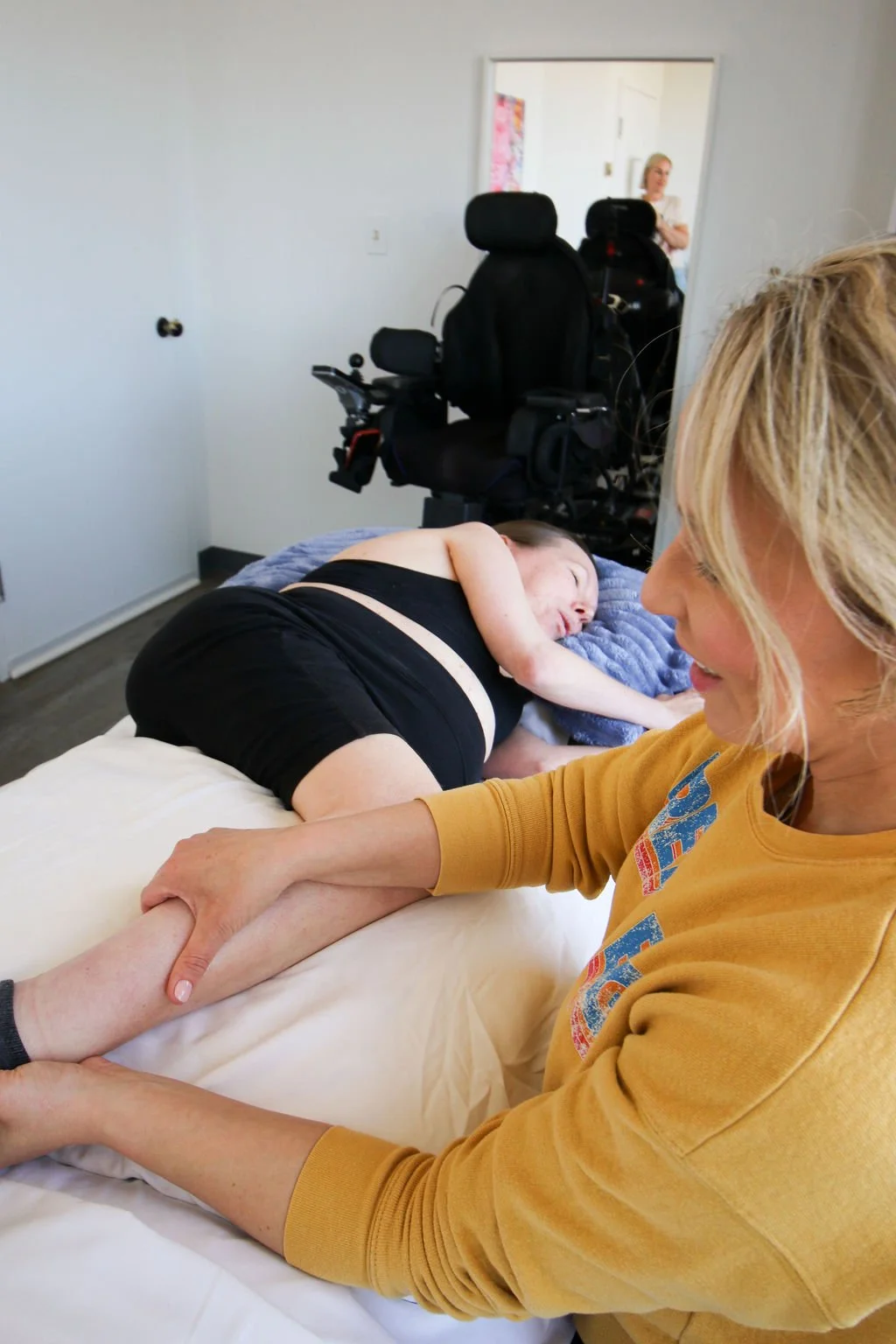
Many Registered Massage Therapists (RMTs) unintentionally overlook one of the most meaningful and sustainable patient populations available to them: oncology patients.
This isn’t because oncology massage lacks value or demand. It’s because most therapists were taught to see cancer as a red flag rather than a long-term care opportunity. Fear-based education, outdated contraindication lists, and minimal oncology training have quietly positioned this population as “too risky” or “too complex.”
In reality, the oncology massage patient base represents one of the strongest examples of long-term, ethical, and professionally fulfilling care in massage therapy, when approached with proper education and clinical reasoning.
At Same Stars Academy, this is the gap we exist to close.
Oncology Massage is Long-Term Care by Nature
Cancer is not a short-term condition, and oncology massage is not a one-time intervention.
Patients move through diagnosis, active treatment, recovery, survivorship, recurrence, and sometimes palliative care. Each phase brings evolving needs that benefit from consistent, skilled massage therapy support.
This is where oncology massage long-term care become clinically and professionally significant.
Long-term oncology care often includes:
Ongoing symptom management
Gradual adaptations in treatment approach
Regular reassessment rather than fixed routines
Support through transitions in medical status
For RMTs, this creates a model rooted in continuity rather than episodic care.
Chronic Symptom Management Creates Consistency of Care
Oncology patients frequently experience long-lasting or recurring symptoms, even years after treatment has ended. This is where chronic oncology care massage plays a critical role.
Common long-term concerns include:
Persistent pain or discomfort
Neuropathy
Fatigue
Scar tissue restrictions
Edema or lymphatic compromise
Nervous system dysregulation
These are not issues resolved in one or two visits. They require consistency of care needs, thoughtful progression, and ethical treatment planning that adapts as the patient’s body and medical context change.
This consistency benefits both patient outcomes and practice sustainability.
Trust and Therapeutic Alliance Drive Patient Retention
When oncology patients find an RMT who understands cancer care, modifications, and contraindications accurately and not fearfully, trust develops quickly.
That trust becomes a therapeutic alliance.
Oncology patients are often navigating complex medical systems and multiple providers. RMTs who communicate clearly, work within scope, and demonstrate confidence become valued members of a patient’s care team.
As a result, oncology patients often show:
High patient retention
Long-term booking patterns
Strong referral behaviour
Loyalty across life stages
From a business perspective, this makes oncology patients one of the most stable patient populations an RMT can serve.
Ethical Framing of Treatment Plans Matters
Oncology massage requires ethical clarity.
Care is not about “fixing” cancer, it’s about improving comfort, function, regulation, and quality of life, both safely and appropriately.
Ethically framed treatment plans in oncology care involve:
Clear goals aligned with the patient’s current phase of care
Ongoing reassessment
Honest communication about scope and expectations
Adaptation rather than rigid protocols
This level of integrity strengthens professional credibility and protects both therapist and patient.
Massage Therapy in Cancer Survivorship is Growing
With improved cancer survival rates, massage therapy cancer survivorship is becoming increasingly relevant.
Survivors often live with:
Lingering side effects of treatment
Physical deconditioning
Chronic pain patterns
Nervous system changes
Emotional and physical fatigue
These individuals seek long-term, non-invasive support, and massage therapy is well positioned to meet that need when therapists are appropriately trained.
This further expands the oncology massage patient base beyond active treatment alone.
Professional Fulfilment Comes From Meaningful Work
Many RMTs enter the profession wanting to make a genuine difference, only to feel disconnected by the high-volume, low-engagement care models.
This work:
Requires critical thinking
Encourages professional growth
Builds deep patient relationships
Reinforces purpose and impact
For many therapists, oncology care becomes the most professionally fulfilling part of their practice.
The Real Problem: Oncology Patients Are Being Overlooked
The bigger barrier to oncology massage growth is not lack of demand, it’s lack of education.
Therapists are not avoiding oncology patients because the work is unsustainable. They’re avoiding it because they were never taught how to do it well.
This leaves a significant patient population underserved and prevents RMTs from accessing one of the most stable, meaningful paths in their profession.
Closing the Gap With Education
At Same Stars Academy, we teach oncology massage as long-term, reasoning-based clinic skill; not a list of rules to memorize or fear.
When therapists understand oncology care properly, they stop seeing cancer patients as a risk, and start recognising them as one of the most impactful populations they can serve.
Further Learning & Professional Resources
If you’re beginning to question why oncology patients have been absent from your practice, or wondering whether advanced oncology education fits into your long-term career path, this is a meaningful place to start.
Same Stars Academy offers evidence-informed oncology massage education designed for Registered Massage Therapists who want to work confidently, ethically, and sustainably with cancer patients across the continuum of care.
Our Foundations of Oncology Massage Therapy: Level 1 course focuses on:
Clinical reasoning over rigid rules
Understanding cancer treatments and side effects
Ethical treatment planning and long-term care considerations
Building confidence working with oncology patients in real clinical settings
The next Alberta-based course runs this April.
Learn more and explore whether oncology education fits into your professional growth here!
If you ever feel unsure where to start, our team is always here to help. You can call or email us anytime for guidance or support.