Massage and Laser Therapy for Pediatric CRPS: Gentle, Adaptive Support for Severe Pain
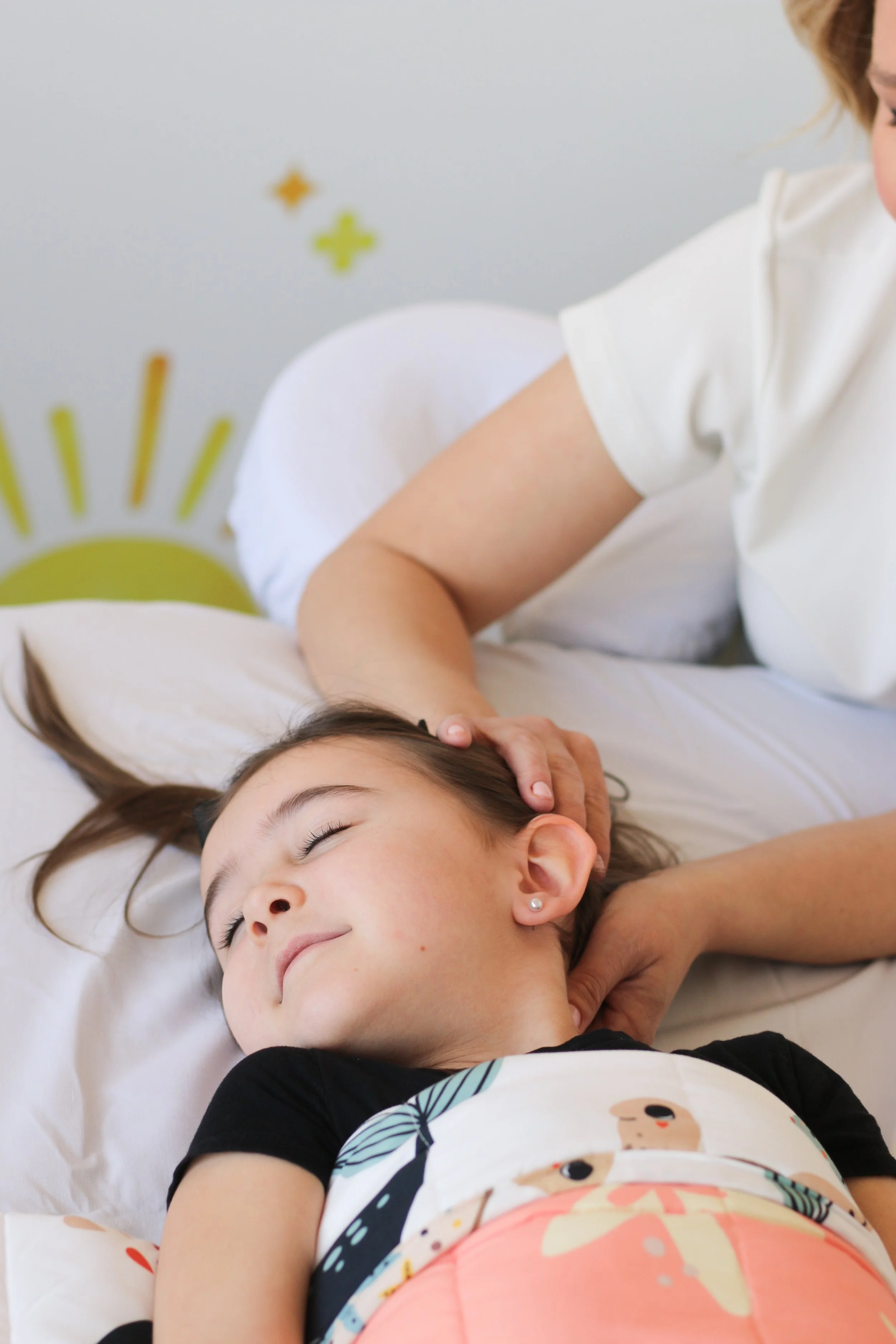
Children with CRPS often struggle to be validated, and we are here to change that!
Complex Regional Pain Syndrome (CRPS) is one of the most intense and overwhelming pain conditions a child can experience. It can begin after something small — a sprain, a bump, a medical procedure — and suddenly the affected limb becomes extremely painful, sensitive, swollen, or difficult to use.
Families often arrive at Same Stars Wellness feeling worried, exhausted, and unsure where to turn next. You are not alone. Our pediatric-trained RMTs work closely with children and teens living with CRPS, using gentle, highly adaptive approaches that support nervous-system regulation, comfort, and gradual re-engagement with movement.
Understanding CRPS in Children
Pediatric CRPS often includes:
Extreme pain with even light touch
Colour or temperature changes in the limb
Swelling
Decreased movement or refusal to bear weight
Fear of using the limb
Sleep disruption
Sensory defensiveness
Significant emotional distress
Because CRPS is rooted in nervous-system dysfunction rather than tissue damage, aggressive treatments can worsen symptoms. Kids need slow, steady, predictable care that helps their body feel safe.
How Massage Therapy Supports Pediatric CRPS
Massage therapy for CRPS is never deep or forceful. Instead, we focus on calming the nervous system and gradually reintroducing gentle touch.
Our approach may include:
Light, slow desensitization techniques
Gentle manual contact to retrain sensory pathways
Support for surrounding areas with compensatory strain
Reducing muscle guarding and stiffness
Gradual reintroduction of touch as the limb becomes less reactive
Helping the child rebuild confidence in using the limb
Calming overall nervous-system activation
Kids are empowered to direct the pace — we pause, stop, shift techniques, or take breaks the moment their body needs it.
How Low-Level Laser Therapy Helps Kids With CRPS
Many children with CRPS find touch painful. Low-level laser therapy (LLLT) offers a non-contact way to reduce pain and inflammation while supporting tissue health.
Laser therapy can help with:
Nerve hypersensitivity
Local inflammation
Circulation challenges
Pain during movement
Areas too sensitive for hands-on work
LLLT supports:
Calmer nerve activity
Improved cellular repair
Reduced swelling
Decreased pain without pressure
A sense of comfort and safety
Laser therapy often becomes the bridge — a way to start treatment gently before introducing any direct touch.
Supporting the Whole Child — and the Whole Family
CRPS affects much more than the limb — it impacts school, sleep, emotions, movement, and family routines. We support families by offering:
Clear education about CRPS
Gentle pacing strategies
Emotional safety throughout treatment
Sensory-friendly environments
Movement and positioning support
Parent involvement as appropriate
Celebrating every small win (because they matter)
Our goal is always the same: restore comfort, reduce fear, and help the body relearn that movement is safe.
A Clinic Designed for Complex Pediatric Care
Children with CRPS often need:
A quiet, low-stimulation room
Control over positioning
Extra breaks
Sensory accommodations
A slower pace
A team deeply experienced in treating complex pain
Every aspect of our clinic is built with these needs in mind — accessible spaces, flexible treatment plans, and clinicians who understand neuromotor, neuromuscular, and chronic pain conditions in pediatrics.
If your child is living with CRPS, they deserve gentle, experienced care they can trust.
We’re here to walk beside your family — with patience, evidence-based support, and a truly child-centered approach.
Book with one of our pediatric-trained RMTs, or reach out anytime with questions. We’re here to help.