What Is Sound Therapy? How Frequencies and Vibration Help Your Nervous System Heal
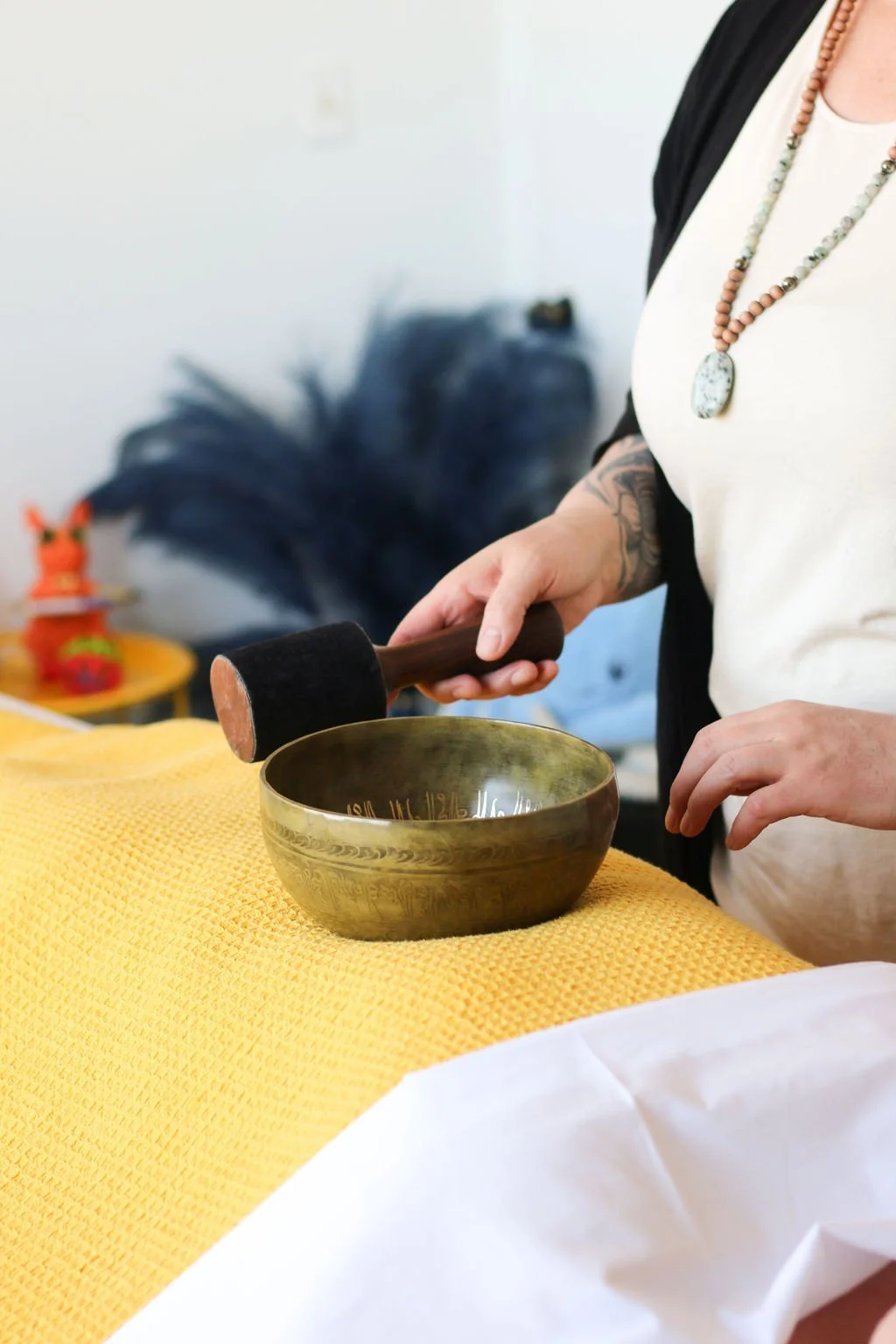
Sound therapy is one of those things that sounds a little mysterious until someone explains what’s actually happening and then it starts to make a great deal of sense.
At its core, sound therapy is not about music, ambience, or relaxation playlists, though sound can certainly be relaxing. It is about the relationship between specific frequencies, the physical body, and the nervous system and how vibration, applied intentionally, can shift the physiological state of a person in ways that other modalities cannot always reach.
If you’ve been curious about sound therapy in Calgary but weren’t sure whether it was legitimate, who it was for, or what it would actually feel like this is the article for you. We’re going to explain the science, the practice, and the experience, clearly and without mystification.
What Is Sound Therapy, Really?
Sound therapy is the therapeutic application of sound typically through tuning forks, singing bowls, or other instruments producing specific frequencies to support the body’s physiological and neurological self-regulation. It is not performance. It is not passive listening. It is an active, intentional use of vibration as a clinical tool.
The version practiced at our clinic centres on tuning fork therapy calibrated metal instruments that produce precise, sustained frequencies when activated. These forks are applied to specific points on or near the body, delivering vibrational input that the nervous system and tissues respond to measurably.
Sound therapy has roots in ancient healing traditions across many cultures, but its modern clinical application is grounded in an understanding of acoustics, neuroscience, and the physiological effects of vibration on biological tissue. It sits at an interesting intersection: sufficiently well-studied to be explained mechanically, but still producing effects that clients often describe as unlike anything they’ve experienced before.
Sound Therapy vs. Sound Healing vs. Music Therapy
These terms are sometimes used interchangeably, but they describe different things:
Music therapy is a regulated clinical discipline using music and musical interaction to support psychological, cognitive, and social goals. It is delivered by trained music therapists.
Sound healing is a broader, often more spiritually-oriented term used in wellness contexts group sound baths, gong journeys, and similar experiences. These can be deeply relaxing and meaningful.
Sound therapy as practiced clinically and as offered at SSW refers to the precise, intentional use of specific frequencies to create measurable physiological and neurological shifts. It is targeted, individualized, and grounded in an understanding of the nervous system.
What sets tuning fork therapy apart from a general sound bath is precision: specific frequencies are chosen deliberately based on what the nervous system needs, and they are delivered in a way designed to elicit a specific physiological response.
The Science: How Your Body Responds to Frequency and Vibration
Sound is, fundamentally, vibration waves of pressure moving through a medium. When those waves meet the human body, something interesting happens: the body doesn’t just hear them. It responds to them at a cellular, neurological, and systemic level.
Resonance and Entrainment
Two of the most important concepts in understanding how sound therapy works are resonance and entrainment.
Resonance refers to the tendency of an object to vibrate at its own natural frequency when exposed to a matching external frequency. Every structure in the body cells, organs, fascia, bones has natural resonant frequencies. When a tuning fork producing a related frequency is brought near or in contact with the body, the tissues respond by vibrating sympathetically. This is not metaphor. It is basic physics applied to biological tissue.
Entrainment is a related phenomenon: the tendency of biological rhythms to synchronize with a dominant external oscillation. The brain produces electrical oscillations at different frequencies depending on its state beta waves during active thinking, alpha waves in relaxed alertness, theta waves in deep meditation, delta waves in deep sleep. When exposed to a sustained external frequency, the brain’s oscillatory patterns tend to shift toward that frequency. This is the mechanism behind binaural beats and certain tuning fork applications and it is why specific frequencies can reliably produce specific neurological states.
The Autonomic Nervous System Response
Perhaps the most clinically significant effect of sound therapy is its influence on the autonomic nervous system (ANS). The ANS governs the body’s fundamental operating states the sympathetic “fight-or-flight” response and the parasympathetic “rest-and-digest” response. In many people seeking sound therapy those with anxiety, burnout, sensory overload, ADHD, or chronic stress the ANS is chronically tilted toward sympathetic activation.
Specific sound frequencies have been shown to activate the vagus nerve the primary conduit of the parasympathetic nervous system and to shift ANS balance toward parasympathetic dominance. This produces measurable changes: reduced heart rate, lower blood pressure, decreased cortisol, relaxation of the muscles of the throat and middle ear (which are directly linked to the social engagement system via the vagus nerve), and a subjective sense of safety, calm, and groundedness.
For people whose nervous systems have been stuck in high-alert mode sometimes for years this shift is not trivial. It is often described as a felt sense of the body “letting go” in a way that doesn’t happen through conscious effort alone.
Cellular and Tissue-Level Effects
Beyond the nervous system, vibration has direct effects on biological tissue. Research in the field of mechanobiology the study of how mechanical forces influence cellular behaviour has established that cells respond to vibrational input by altering gene expression, protein synthesis, and membrane permeability. Studies on the effects of low-frequency vibration have demonstrated effects including reduced inflammation, increased circulation, improved cellular waste clearance, and facilitated tissue repair.
Applied sound therapy works at this level too. Tuning forks placed on or near the body deliver a mechanical vibration that travels through tissue particularly through denser, more conductive structures like bone and fascia producing both direct mechanical effects and secondary effects via the nervous system’s response to the stimulus.
Key Frequencies Used in Tuning Fork Therapy
Different frequencies produce different effects on the nervous system and tissues. Here is a plain-language overview of the frequencies most commonly used in clinical tuning fork therapy and what they are known to support:
174 Hz Foundation and Safety
▶ Effect: The lowest frequency used therapeutically. Produces a deep, stabilizing vibration that is felt as much as heard. Associated with a sense of physical safety and groundedness.
▶ Used for: Trauma-sensitive nervous systems, grounding when feeling unmoored or dissociated, and establishing foundational calm before deeper work.
285 Hz Tissue Repair and Cellular Coherence
▶ Effect: Associated with cellular regeneration and tissue healing. Thought to act on the body’s innate capacity for self-repair by supporting coherent cellular communication.
▶ Used for: Post-injury recovery, areas of chronic inflammation, and supporting the body’s baseline repair processes.
528 Hz Repair and Transformation
▶ Effect: One of the most researched therapeutic frequencies. Associated with DNA repair mechanisms, anti-inflammatory effects, and a profound sense of inner calm and clarity.
▶ Used for: Burnout, chronic stress, immune support, and transitions. Often described by clients as the frequency that produces the deepest felt sense of “okayness.”
Frequency selection in a clinical appointment is not prescriptive it is responsive. A skilled sound therapist reads the client’s state and history, and selects or sequences frequencies accordingly. The same person may need different frequencies at different points in their healing process.
How Sound Therapy Differs From Other Relaxation Approaches
People often ask how sound therapy is different from meditation, massage, or other therapies that produce relaxation. The distinction is meaningful.
It Works Without Conscious Effort
Meditation requires the mind to actively do something focus, redirect, observe. For people with ADHD, anxiety, trauma histories, or an overactive mind, this can be genuinely difficult and sometimes counterproductive. Sound therapy does not ask anything of the mind. The frequency does the work. The nervous system responds whether or not the client is “trying” to relax, which makes it accessible to people for whom other relaxation approaches have felt frustrating or out of reach.
It Bypasses Cognitive Resistance
The nervous system’s response to frequency is largely subcortical it happens below the level of conscious thought. This means that clients who intellectually resist relaxation (those who feel guilty resting, or who are chronically hypervigilant) often find that their bodies respond to sound therapy in ways they didn’t expect and couldn’t consciously prevent. This is not a manipulation it is the body’s innate capacity for regulation being accessed through a channel that the analytical mind doesn’t control.
It Addresses the Nervous System Directly
Massage works primarily at the tissue level, with secondary nervous system effects. Talk therapy works primarily at the cognitive level. Sound therapy works directly on the autonomic nervous system and the brain’s oscillatory patterns which is why it can reach states of regulation that other approaches sometimes cannot, and why it pairs so effectively with other modalities.
What a Sound Therapy appointment at Same Stars Wellness Looks Like
If you’re considering tuning fork therapy in Calgary at Same Stars Wellness, here is a realistic picture of what to expect.
Before the appointment
Your therapist will take a brief intake to understand your current state, any relevant history, and what you’re hoping the appointment might offer. There is no “right” answer to this some clients come in looking for deep relaxation, some come in mid-burnout with their nervous system completely fried, some come in curious and not quite sure what they need. All of these are fine starting points.
During Your Appointment
You remain fully clothed. Appointments typically take place lying down on a treatment table in a quiet, low-light environment. The therapist activates tuning forks and applies them at specific points on or near the body including along the spine, at major joints, at the skull base, and over organs or areas of tension. Some frequencies are applied on the body; others are held in the field around the body, close enough for the vibrational effect to be felt without direct contact.
Most clients notice the vibration immediately both as a physical sensation and as a shift in their internal state. Some notice emotional responses. Some notice visual imagery. Some simply notice that the mental chatter quiets in a way they haven’t experienced before. And the best part? You don’t need to partake in any talk therapy or emotional discussion. Your therapist will guide you to simply notice and receive whatever arises.
After the appointment
Most clients leave a sound therapy appointment feeling noticeably different from when they arrived. Common descriptions include feeling lighter, clearer, more grounded, less reactive, or simply profoundly calm in a way that persists into the rest of the day. Occasionally, clients experience a brief period of emotional processing or mild fatigue in the 24 hours following a treatment this is a normal integration response, not a negative reaction.
Treatments run approximately 45–60 minutes. A series of appointments tends to produce more durable change than a single visit the nervous system learns through repetition, and the effects of each appointment build on the last.
What Long-Term Pain Management Actually Looks Like
Managing chronic pain over the long term looks different from treating an acute injury. It is less about reaching a fixed endpoint and more about building a sustainable relationship with your body understanding your patterns, knowing your triggers, and maintaining the conditions that keep your nervous system regulated and your tissues healthy.
Phases of Care
Most people with chronic pain move through identifiable phases of care:
Initial intensive phase: More frequent sessions (often weekly) focused on reducing the baseline level of pain, addressing acute tissue issues, and beginning to establish nervous system regulation. This phase is about making a meaningful dent in the accumulated load.
Stabilization phase: As pain levels decrease and function improves, session frequency reduces. The focus shifts toward consolidating gains, addressing underlying patterns, and building the patient’s own toolkit for self-management.
Maintenance phase: Regular but less frequent care (monthly or as needed) to maintain the improvements achieved, address flare-ups early before they compound, and support overall nervous system and tissue health over time.
What You Bring to It
Treatment is one part of long-term chronic pain management. What happens between sessions matters just as much. Sleep hygiene, stress management, gentle movement, social connection, and self-compassion are not soft add-ons to a treatment plan they are active ingredients in recovery. We work with our patients on all of these, not just the hour they’re on the table.
Realistic Expectations
We believe in honesty about timelines. Chronic pain that has been building for years does not resolve in three sessions. There will be ups and downs. Flare-ups are part of the process, not evidence that treatment isn’t working. What changes consistently, over time, for patients who commit to a multi-modal treatment plan is the baseline the average level of pain and function around which the fluctuations happen. That baseline can change significantly, and for many patients, it changes in ways they didn’t believe were possible.
Who Is Sound Therapy Best Suited For?
Sound therapy is broadly accessible there are few contraindications and it is well-tolerated even by people who are highly pain-sensitive or stimulus-sensitive. But it tends to be particularly well-suited to specific presentations:
ADHD and Racing Minds
For people whose minds are consistently busy, loud, and hard to quiet, sound therapy offers a path to regulation that doesn’t require the mind to cooperate. The frequencies create a neurological environment in which the brain can slow down without being asked to something many ADHD clients describe as a relief they didn’t know was possible.
Sensory Overload and Hypersensitivity
Counterintuitively, people who are sensitive to sensory input often respond beautifully to tuning fork therapy. The controlled, precise nature of the frequencies as opposed to the unpredictable sensory noise of daily life provides a kind of organized input that the nervous system can process as regulating rather than overwhelming.
Burnout and Adrenal Fatigue
Burnout involves a nervous system that has been running on sympathetic activation for too long and has lost the ability to shift into genuine rest. Sound therapy’s direct parasympathetic activation makes it one of the most effective modalities for burnout recovery particularly for people who feel too wired to rest but too tired to function.
Anxiety and Emotional Dysregulation
Anxiety, at its nervous system level, is a state of chronic sympathetic overdrive the alarm is stuck on. Sound therapy’s ability to directly modulate the vagus nerve and shift ANS balance makes it a powerful complement to other approaches for anxiety. Many clients notice that their baseline anxiety level decreases over a series of appointments, not just during the appointments themselves.
Trauma and the Body
Trauma is stored in the nervous system and the body, not just in narrative memory. Approaches that work directly with the nervous system without requiring the person to verbally process their history are increasingly recognized as important in trauma-informed care. Sound therapy, particularly at the lower frequencies, can facilitate the sense of safety and physiological regulation that is a prerequisite for trauma healing.
Anyone Seeking Deeper Rest
Not every client has a diagnosable condition. Many come simply because their nervous system needs rest that sleep isn’t providing, and they’re looking for something that goes deeper than a massage or a bath. Sound therapy meets that need consistently and often surpasses expectations.
Common Outcomes Clients Experience
The effects of sound therapy vary by individual, but a number of outcomes appear consistently across client reports:
Common outcomes from sound therapy at Same Stars Wellness:
Deep calm: A sustained sense of physical and mental quiet that many clients describe as unlike anything they achieve through other means present not just during the appointment but for hours or days afterward.
Improved focus and mental clarity: Reduction in brain fog, easier concentration, and a cleaner cognitive baseline particularly noted by clients with ADHD or those recovering from burnout.
Feeling more grounded: A stronger sense of being present in the body, rather than living predominantly in the head described as a kind of settling that makes daily stressors feel more manageable.
Emotional release and lightness: Some clients experience the processing of emotions they hadn’t consciously identified tears, laughter, or a felt sense of something releasing. This is a normal and often welcome part of the appointment.
Improved sleep: Many clients report measurably better sleep quality in the nights following a appointment, attributed to the shift in ANS balance and the reduction in cortisol that accompanies deep parasympathetic activation.
Reduced physical tension and pain: Sound therapy’s effects on the nervous system often produce secondary musculoskeletal benefits reduced muscle tension, decreased pain sensitivity, and improved body awareness.
How Sound Therapy Pairs With Other Modalities
Sound therapy is highly complementary to other forms of hands-on care, and at SSW it is often offered as part of a broader treatment plan:
With craniosacral therapy: Both modalities work directly with the nervous system and the body’s self-regulating capacity. Sound therapy before a CST appointment can pre-regulate the nervous system, making it more receptive. CST after sound can deepen the integration of vibrational shifts.
With massage therapy: Sound therapy addresses the neurological dimension of tension; massage addresses the tissue dimension. Together, they produce a more complete release than either can achieve alone particularly for clients whose muscular holding patterns are driven by chronic nervous system dysregulation.
With acupuncture: Tuning forks can be applied to acupuncture points, amplifying the effect of point activation without needles making this combination particularly useful for needle-averse clients or those needing a gentler approach.
As a standalone treatment: Sound therapy is also completely effective on its own, particularly for clients whose primary need is nervous system regulation, stress reduction, or support during periods of emotional intensity or transition.
Frequently Asked Questions About Sound Therapy in CalgaryIs sound therapy the same as a sound bath?
Not exactly. A sound bath typically involves a group setting with instruments like gongs and singing bowls, producing an immersive ambient experience. Clinical sound therapy as practiced at SSW uses calibrated tuning forks to deliver specific frequencies in a one-on-one, individualized appointment. Both can be valuable; they serve different purposes and produce different effects.
Do I have to believe in it for it to work?
No. The physiological response to frequency is not belief-dependent it is a function of how the nervous system and biological tissue respond to vibration. Many of our most skeptical clients are among those who report the most significant responses, precisely because they weren’t trying to make something happen.
How many appointment will I need?
A single appointment can produce meaningful effects, and many clients book initially out of curiosity without committing to a series. That said, like any nervous system work, the effects are cumulative: each appointment builds on the last, and durable change in baseline regulation typically develops over 3–6 appointments. Your therapist will discuss realistic expectations at your intake.
Are there any people who shouldn’t try sound therapy?
Sound therapy is extremely gentle and broadly safe. Those with active psychosis, certain neurological conditions, or extreme sound sensitivity should discuss their situation with the therapist before booking. Tuning forks are not applied near pacemakers or metal implants. Pregnancy is not a contraindication for most sound therapy applications, though your therapist will adapt the approach accordingly.
What’s the difference between tuning fork therapy and just listening to frequency music?
Listening to frequency-based music produces some entrainment effects through the auditory pathway. Tuning fork therapy delivers vibration directly to the body through physical contact with tissue which activates the mechanical response pathways that listening alone does not reach. The direct application is significantly more potent for producing physiological change.
Ready to Hear What Your Nervous System Has Been Waiting For?Same Stars Wellness offers tuning fork sound therapy in Calgary as part of our integrative approach to nervous system care. Whether you’re coming in with a specific condition, a nervous system that desperately needs a reset, or simple curiosity about what this work can offer we’re here for all of it.
We know that sound therapy can sound a little “out there” before you’ve experienced it. We also know that the clients who arrive the most skeptical often become the most consistent. The body tends to know what it needs, even when the mind isn’t sure yet.
Sound therapy at Same Stars Wellness is offered by our amazing team of therapists, that really do truly “get” what you are going through. Book a treatment here,and let’s find out what’s possible when someone finally takes your pain as seriously as you do.
Same Stars Wellness is a Calgary-based integrative wellness clinic offering massage therapy, acupuncture, acutonics, occupational therapy, and more. We specialize in complex, chronic, and pediatric care, because everyone deserves effective support.