Back-to-School Anxiety in Kids: Signs, Causes, and What Actually Helps
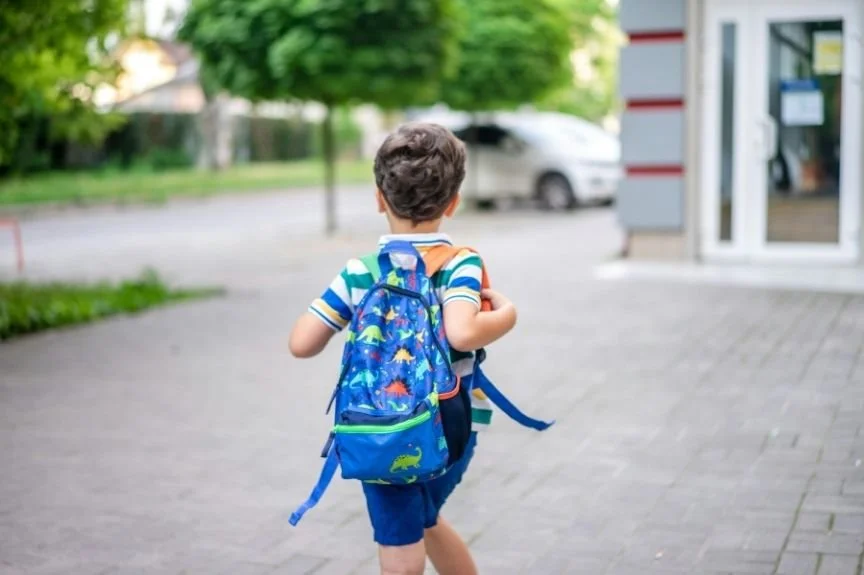
New backpack? Check. School supplies labeled within an inch of their life? Check. Kid who suddenly has a stomachache every single morning that mysteriously clears up by 3pm? Also check — and way more common than you'd think.
If your child seems a little "off" as the school year kicks in — extra clingy, extra grumpy, or suddenly best friends with the nurse's office — you're not imagining it. Back-to-school season brings a real wave of anxiety for kids. The tricky part? Anxiety doesn't always look like worry. A lot of the time, it looks like a headache. Or a stomachache. Or a full-blown meltdown over the "wrong" socks.
Let's break down what's actually going on, and what you can do about it.
What Back-to-School Anxiety Actually Looks Like
Anxiety in kids shows up in the body just as much as it shows up in their mood. Here's what to watch for:
Physical signs:
Headaches or migraines, especially in the morning
Stomachaches, nausea, or "I don't feel good enough to go"
Trouble falling asleep or waking up
Racing heart, muscle tension, or trembling
Complaints of feeling sick with no clear medical cause
Emotional and behavioral signs:
Clinginess, crying, or refusing to get out of the car at drop-off
Big irritability over small things
Endless "what if" questions or repeated worrying
Trouble focusing, even on things they usually enjoy
Bargaining, arguing, or repeated calls home during the day
None of this makes your kid dramatic. It makes them human. Their body is saying what they can't quite put into words yet.
Why It Happens
School means a lot of unknowns all at once: new teachers, new routines, new social dynamics, and higher expectations, all landing in the same week. For kids who are naturally more sensitive, or who struggled socially or academically the year before, that stack of unknowns can tip into real anxiety fast. It's not a character flaw — it's a nervous system doing its job a little too well.
5 Things That Actually Help
The good news: you don't need a complicated plan. A few consistent habits make a real difference.
Reset the routine early. Shift bedtimes and wake-ups closer to school-time a week or two before day one, so the first morning isn't also the first shock to the system.
Make the unknown known. A walk through the school, a peek at the classroom, or just talking through "here's what tomorrow looks like" goes a long way. Familiarity is one of the simplest anxiety-reducers there is.
Validate first, fix second. "I hear that you're nervous" lands a lot better than "you'll be fine!" — even when you know they'll be fine. Kids need to feel heard before they can move on.
Keep goodbyes short and predictable. A special handshake or a consistent goodbye phrase beats a long, lingering drop-off every time. Quick and warm is the sweet spot.
Watch your own stress. Kids are basically tiny anxiety sponges. If you're spiralling about the school year, they'll feel it — so a calm(ish) you goes a long way toward a calmer them.
When It's More Than Jitters
Here's the real talk: if the headaches, stomachaches, or meltdowns are sticking around past the first couple of weeks — or they're intense enough to keep your kid home from school — that's not "just back-to-school stuff" anymore. That's your kid's body asking for a little extra support.
This is exactly the kind of thing we work with families on every day. Pediatric massage therapy can help release the physical tension anxiety loves to hide in — tight shoulders, clenched jaws, that wound-up, can't-settle feeling. And for kids dealing with more stubborn symptoms like recurring headaches or migraines, acupuncture can be a gentle, surprisingly kid-friendly option, too.
You don't have to figure this out alone, and you definitely don't have to wait until things feel like a full-blown crisis to ask for help.
You Know Your Kid Best
Back-to-school anxiety is common, and for most kids, it eases up as the year settles in. But if your gut is telling you this feels like more than jitters, that instinct is worth listening to — you don't have to wait for things to get harder to reach out.
We're here to help you figure out what's going on, and to help your kid feel like themselves again.
Additional Resources